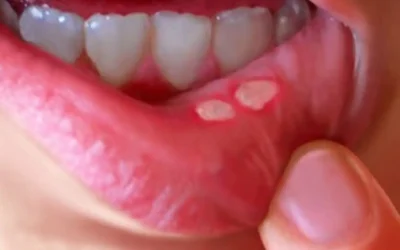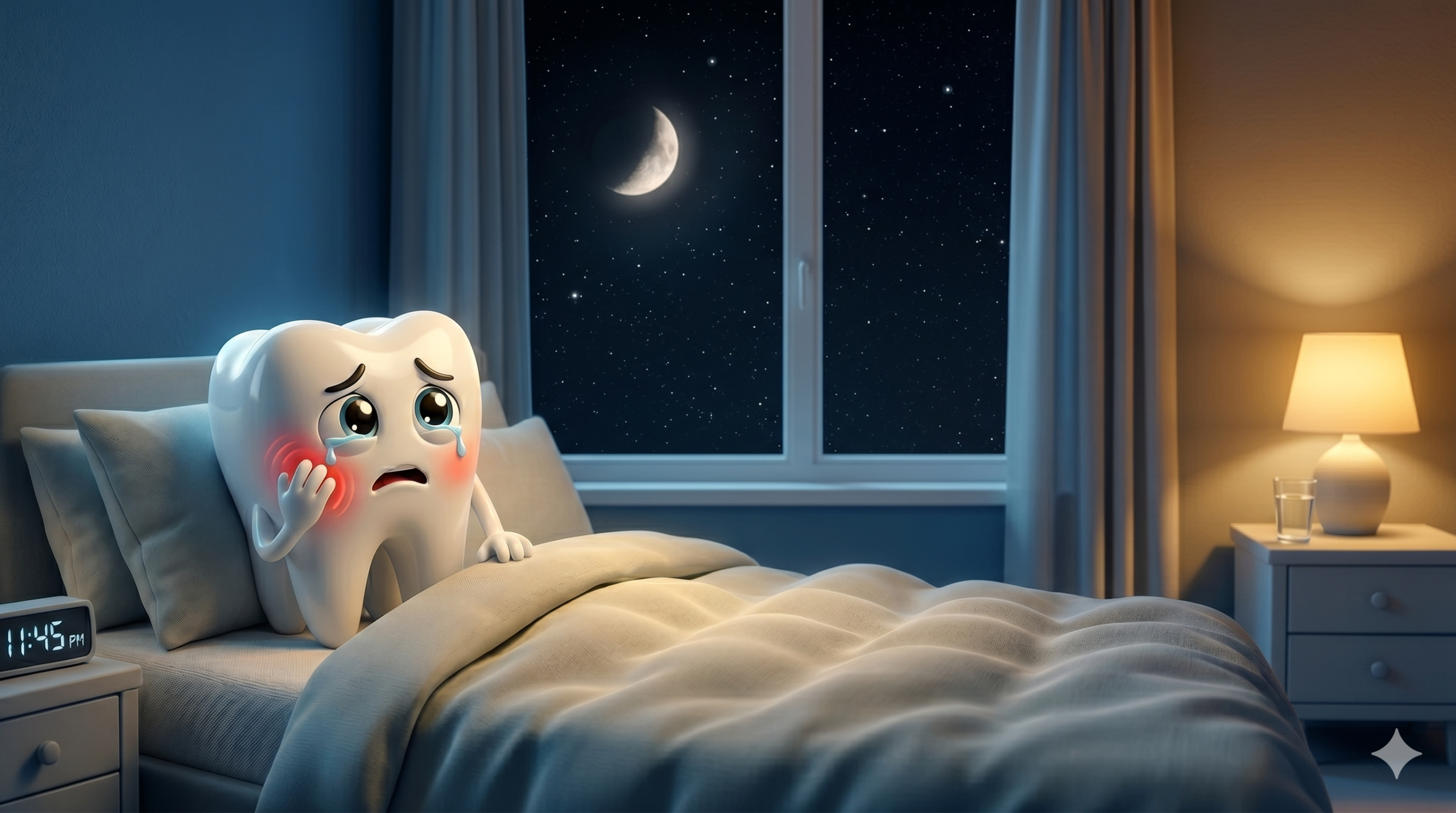

There’s a specific kind of frustration we may all have experienced at one point in time – it’s 11:00 PM on a Sunday night, you’ve just settled in after a long weekend, and suddenly – throb.
A toothache at night feels 10 times worse than one during the day. Without the distractions of work, the kids, or the TV, that pulsing pain takes centre stage, making sleep feel like a distant dream. But why does it always seem to flare up the moment your head hits the pillow, and what can you do about it?
Why Does My Tooth Hurt More at Night?
It isn’t just your imagination; there are actual physiological reasons why tooth pain intensifies when you’re trying to get some shut-eye:
- Blood Pressure Shift: When you lie down flat, blood rushes to your head. This increased blood flow to the teeth can turn a dull ache into a pounding throb.
- Fewer Distractions: During the day, you’re busy. At night, there’s nothing to focus on but the pain, making your brain more “tuned in” to the discomfort.
- Late-Night Grinding: Many of us carry the day’s stress in our jaws. If you subconsciously clench or grind your teeth (known as teeth bruxism) as you drift off to sleep, it can aggravate existing dental issues.
What Is Your Tooth Trying to Tell You?
A nocturnal toothache could mean a few things:
- A Deep Cavity: Decay may have reached the nerve (the pulp), causing inflammation of the pulp.
- Gum Infection: Sometimes the pain isn’t in the tooth itself, but in the gums around it.
- A Cracked Tooth: You might have a hairline fracture that’s protesting after a day of chewing.
- Dental Abscess: A persistent, throbbing pain that keeps you awake often signals an infection that needs urgent attention.
How to Cope Until the Morning?
If you’re stuck at home and just need to make it through the night, here are a few ways to manage the discomfort:
- Elevate Your Head: Use an extra pillow to keep your head higher than your heart. This reduces the blood pressure in your face and jaws and can take the “edge” off the throbbing.
- Saltwater Rinse: It’s a classic for a reason. Mix a teaspoon of salt in warm water and rinse. It helps clear away food debris and acts as a mild natural antiseptic.
- Over-the-Counter Relief: Standard pain relief (like ibuprofen or paracetamol) can help, but always follow the dosage on the packet.
- Cold Compress: Apply a cold pack to the outside of your cheek for 15 minutes at a time to numb the area and reduce swelling. If a cold compress is making it worse, try a heated wheat bag or a hot towel.
Don’t Wait for “Tooth-Hurtya
While these tips can help you survive the night, they aren’t a permanent fix. Dental pain is one of those things that rarely gets better on its own.
If you’ve spent the night tossing and turning, it’s best to see a dentist in Maroubra as soon as possible. Getting a professional to look at the root cause (literally!) will save you from another sleepless night and prevent a small problem from turning into a major emergency.