Toothache
Toothache is a common dental issue characterized by pain in or around a tooth, often caused by tooth decay , gum disease, a cracked tooth, or an abscess. Symptoms can range from mild discomfort to severe, throbbing pain and may include sensitivity to hot, cold, or sweet foods, swelling, and pain when chewing. Prompt attention to toothache is essential, as it can indicate underlying dental problems that require professional treatment. If you’re experiencing tooth pain, visiting a dentist for an accurate diagnosis and effective treatment is crucial to prevent further complications.

General Questions
What Causes Toothache? Understanding the Symptoms and Treatments
Toothaches can vary in form, but they usually indicate an issue that requires a dentist’s attention. If you experience tooth pain or jaw pain, it is a signal of a problem. Don’t ignore these signs—prompt dental care is crucial.
Common Causes of Toothache
Toothaches can result from various conditions, including:
- Tooth Decay: Cavities caused by bacterial infection.
- Cracked Tooth: Fractures in the tooth.
- Loose or Broken Fillings: Issues with dental restorations.
- Pulp Inflammation: Swelling of the tooth’s inner tissue.
- Gum Disease: Infection of the gums.
- Dental Abscess: Pus accumulation due to infection.
Other conditions that can cause tooth pain include sinus infections, mouth ulcers, and jaw problems.
Symptoms of Toothache
Toothache pain can range from mild to severe and may affect the tooth, head, ear, and jaw. The pain can be constant, throbbing, or intermittent. Additional symptoms may include:
- Swelling around the tooth and inside the mouth
- Swelling of the jaw and face
- Pain when chewing
- Bleeding from the tooth or gums
- Sensitivity to hot, cold, or sweet foods
When to See a Dentist
If you experience any of these symptoms, it’s important to consult a dentist for an accurate diagnosis and appropriate treatment.
How to Ease Toothache Discomfort
If you’re experiencing toothache discomfort, there are several ways to alleviate the pain. Consult a dentist for advice on pain relief medication and avoid self-medicating. Opt for soft foods that are easy to chew and avoid very hot or cold drinks. Elevate your head with a pillow while lying down, as this can help reduce the intensity of dental pain. Rinsing with salt water can also provide relief; mix one teaspoon of salt in a cup of warm water, swish it around your mouth for two minutes, and then spit it out. Avoid giving salt water to children to prevent accidental swallowing. Additionally, using a cold or heat compress on the side of your face may offer temporary relief from toothache pain.
Visiting Your Dentist: Why It's Essential for Toothache Relief
Toothaches often signal a more serious underlying issue that can impact both your oral and overall health if left untreated. Delaying a visit to the dentist can exacerbate the problem, leading to more severe complications. During a dental visit, your dentist will perform a comprehensive examination to identify the cause of your pain and recommend appropriate treatment, which may include fillings for tooth decay, root canal therapy for nerve involvement, or gum treatment.
Call your dentist if:
- Your toothache persists for more than two days
- You have a fever
- You have an infection (symptoms include swelling, pain when biting, red gums, or a discharge with a bad taste)
- You experience trouble breathing or swallowing
Seeking prompt dental care is crucial for effective pain relief and maintaining your health.
You May also like
A Miracle Toothpaste for Cavity Reversal is a Total Scam
Learn how to identify online shopping scams, recognize common warning signs, and protect your personal and financial information while shopping online.
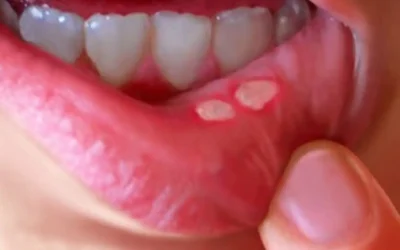
Mouth Ulcers: Why Do They Keep Popping Up and How Can You Actually Get Rid of Them?
Learn about common causes of mouth sores, their symptoms, and simple tips for managing oral discomfort and maintaining good oral health.

Winter-to-Spring Smile Care: How Sydney’s Late-August Winds Impact Your Teeth & Gums
Discover how enjoying Sydney’s outdoor lifestyle can support your overall well-being and learn simple ways to maintain a healthy, active routine.
Call The Office
(02) 9349 6668
Clinic Location
1 / 818 Anzac Pde Maroubra Junction
Hours
Monday: 8:30 am – 6:00 pm
Tuesday: 8:30 am – 6:00 pm
Wednesday: Closed
Thursday: 8:30 am – 6:00 pm
Friday: 8:30 am – 6:00 pm
Saturday: Closed
Email Us
appointments@gentleandcaringdentistry.com.au